







Water-Based Lubricant Tube
£13.99
Select Tube Size:

Have a discount code? Add it in the next step.
4.8/5 based on 1,630 reviews
October is Menopause Awareness Month, and it’s encouraging to see how much more openly we’re talking about menopause. Hot flushes, brain fog and sleepless nights are becoming familiar topics, but there’s one symptom that still doesn’t get nearly enough attention: vaginal dryness.
For some women, it starts with a little discomfort during sex. Others notice irritation after exercise, a burning sensation or dryness that makes everyday activities uncomfortable. These changes can be confusing, particularly when they seem to appear out of nowhere.
At Yes Labs, we’ve spent more than 20 years helping women manage intimate dryness and discomfort. We know how much of a difference finding the right relief can make, whether that’s enjoying intimacy again, exercising comfortably or simply getting through the day without thinking about vaginal dryness.
This Menopause Awareness Month, we’re looking at why vaginal dryness happens, what the science tells us and what women can do to feel more comfortable.
Vaginal dryness is one of the most common symptoms associated with menopause, although it can begin years before periods stop.
Research suggests that approximately 50% of postmenopausal women experience genitourinary syndrome of menopause (GSM), a condition affecting the vagina, vulva and urinary tract as hormone levels decline.
Oestrogen plays an important role in maintaining healthy vaginal tissue. It supports tissue thickness, elasticity, blood flow and natural lubrication. It also helps maintain the acidic vaginal environment that supports beneficial bacteria.
As oestrogen levels decline during menopause, vaginal tissue can become thinner, drier and more sensitive to friction. Changes in vaginal pH can also affect the balance of bacteria, contributing to irritation and discomfort.
For some women, this means sex becomes painful. Others experience burning, itching or irritation around the vaginal entrance, even when they aren’t sexually active.
Urinary symptoms, including urgency and recurrent UTIs, can also be associated with these hormonal changes.
Unlike hot flushes, which often improve over time, GSM symptoms can persist or worsen without appropriate treatment.
The encouraging news is that vaginal dryness is treatable, and there are several ways to manage symptoms and improve everyday comfort.
One of the things that stands out in feedback from women in the Yes Labs community is how much everyday comfort matters.
Women often come to intimate care products after trying different approaches to manage their symptoms. Some have experimented with lubricants, changed their cleansing routines or simply hoped the discomfort would settle.
Others have experienced dryness for so long that they’ve started to accept it as part of getting older.
But when we look at what women value about Yes Labs, the same themes appear repeatedly: comfort, relief and being able to get back to feeling like themselves.
In our customer research, women have described Yes Labs products as a “life changer” and a “game changer”.
These might seem like big words for a vaginal moisturiser or lubricant, but when dryness has been affecting your confidence, relationships or everyday comfort, finding something that helps can make a meaningful difference.
For many women, relief isn’t about anything extraordinary. It’s being able to enjoy intimacy without worrying about discomfort, go for a walk without irritation or simply feel comfortable in their bodies again.
And that’s why vaginal health deserves more attention.
Finding the right relief can take a little trial and error, particularly because different products are designed to address different symptoms.
A vaginal moisturiser, for example, works differently from a lubricant. Understanding what each one does can help you build a routine that supports your individual needs.
If dryness is something you notice regularly, rather than only during sex, a vaginal moisturiser can be particularly helpful.
Unlike lubricants, which provide temporary glide, vaginal moisturisers are designed to support ongoing tissue hydration.
Used consistently, they can help relieve dryness and associated discomfort between applications.
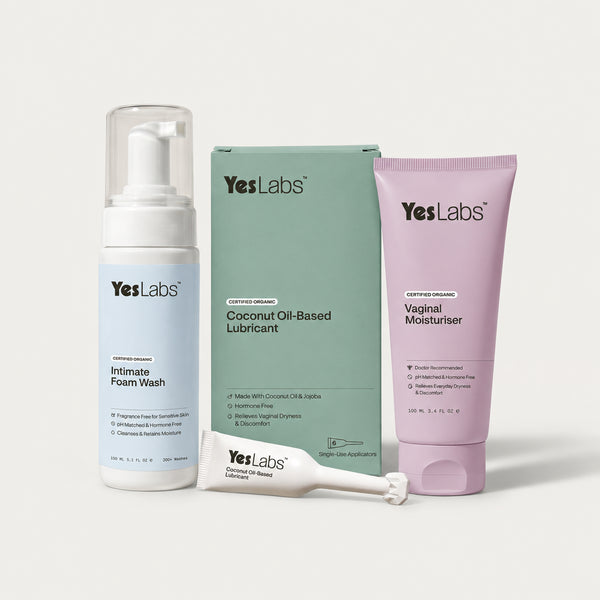
Yes Labs VM Vaginal Moisturiser is a hormone-free, pH-matched moisturiser designed to help replenish moisture in sensitive vaginal tissue. It can be used internally and externally, including around the vaginal entrance and vulva where dryness may occur.
For many women, the key is regular use rather than waiting until symptoms become particularly uncomfortable.
When natural lubrication decreases, friction during sex can cause irritation or pain.
A suitable lubricant can help reduce friction and make intimacy more comfortable, but it’s worth paying attention to the formulation.
Some products contain ingredients that may irritate sensitive tissue. Factors such as pH and osmolality can also influence how a lubricant interacts with the vaginal environment.
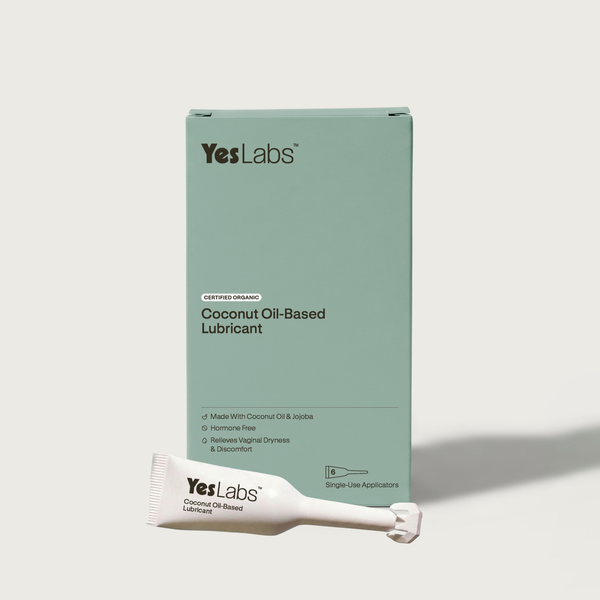
Yes Labs WB Water-Based Lubricant is pH-matched, glycerine-free and formulated with sensitive vaginal tissue in mind.
Some women find that combining regular vaginal moisturising with a lubricant during intimacy provides better overall comfort than relying on either product alone.
If sex remains painful despite using lubricant, speak to a healthcare professional, as other factors may be contributing.
When the vulva feels irritated, washing more frequently might seem like the obvious solution. Unfortunately, this can sometimes make symptoms worse.
The vagina is self-cleaning and doesn’t need internal washing. Harsh soaps, fragranced products and douching can aggravate sensitive tissue.
For external cleansing, warm water is often sufficient. Some women prefer a gentle, appropriately formulated intimate cleanser.
Yes Labs CLEANSE is a pH-matched external intimate wash developed for gentle cleansing without harsh soaps or fragrance.
Keeping your routine simple can help minimise unnecessary irritation, particularly when vaginal and vulval tissue is already sensitive.
For more practical advice, read our guide to a simple routine for menopausal vaginal comfort.
For women experiencing persistent or more severe symptoms, vaginal oestrogen may be recommended.
NICE guidance recommends offering vaginal oestrogen for genitourinary symptoms associated with menopause, including for women already using systemic HRT.
Vaginal moisturisers and lubricants can also be used alongside prescribed treatments when appropriate.
If symptoms aren’t improving, it’s worth speaking to your GP rather than assuming discomfort is simply part of getting older. Persistent itching, unusual discharge or pain can have other causes that need assessment. Any bleeding after menopause should also be checked.
The Yes Labs story began more than 20 years ago when our founder Sarash, a female chemist, was frustrated by the lack of intimate products she felt comfortable using herself.
She wanted products made with carefully selected ingredients, supported by science and designed with women’s bodies in mind.
That commitment continues today at Yes Labs.
Our hormone-free vaginal moisturisers and lubricants are developed with sensitive intimate tissue in mind, with careful attention to ingredients, pH and osmolality.
We believe women should understand what’s happening to their bodies, why certain ingredients matter and which products or treatments might help.
Because finding relief often starts with understanding what your body needs.
Menopause awareness has come a long way, but there’s still more to do when it comes to vaginal and urinary health.
For women experiencing vaginal dryness, knowing that symptoms are common can be reassuring. Knowing there are effective ways to manage them is even more important.
Whether it’s finding a vaginal moisturiser that suits your body, choosing a gentle lubricant or speaking to your GP about additional treatment options, the right support can make a meaningful difference.
At Yes Labs, we’ll continue sharing the science, expert advice and experiences that help women better understand their intimate health.
Vaginal dryness may be common during menopause, but living with discomfort doesn’t have to be.
 #1 NHS prescribed vaginal moisturiser and lubricant brand*
 #1 NHS prescribed vaginal moisturiser and lubricant brand*

Read more about the changes your body goes through during peri menopause and post menopause.


